
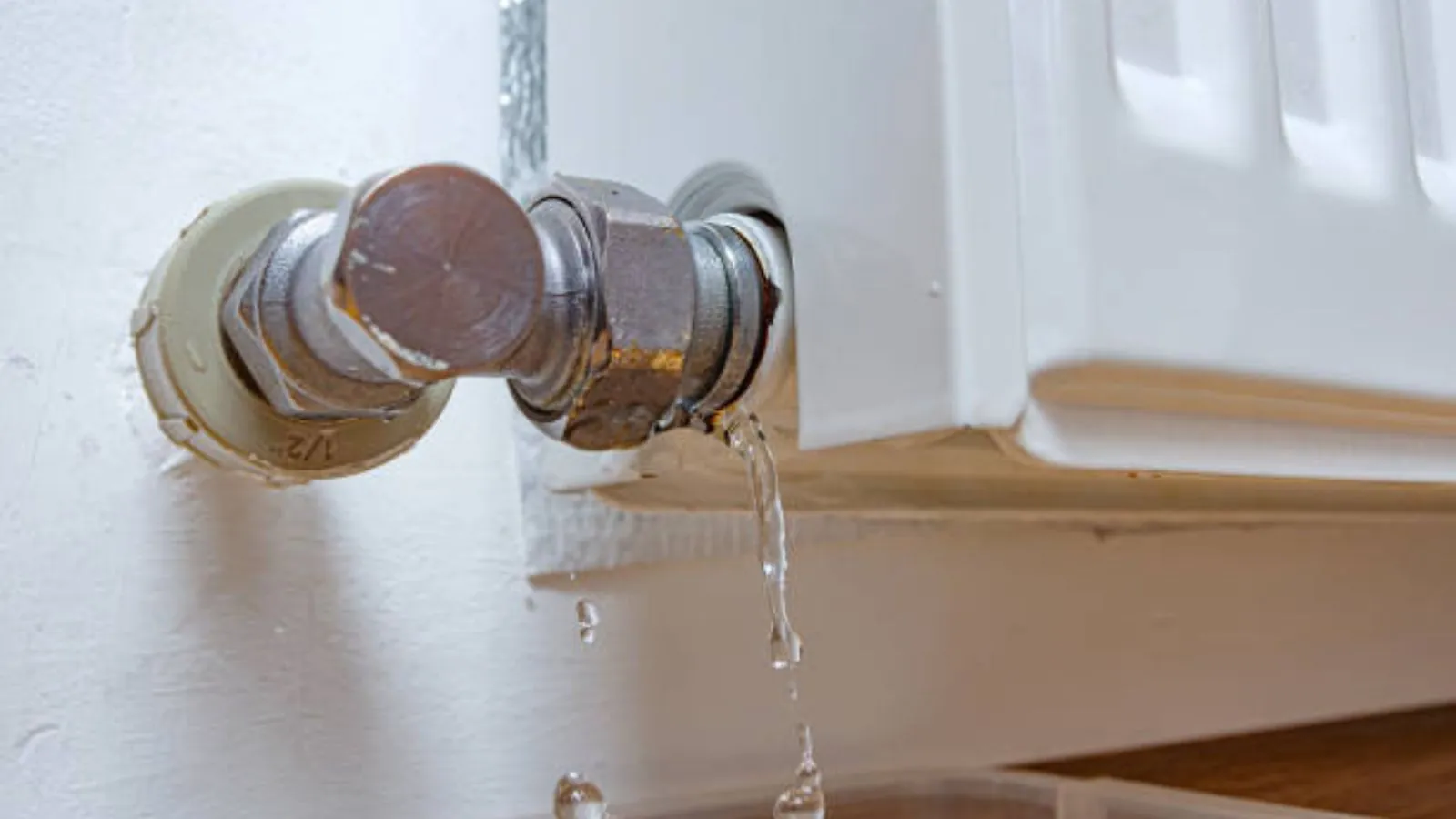
A leaking water heater is an emergency, and this line is open 24/7 for Parsippany. Turn off the power or gas to the unit, close the cold water supply valve on top, keep out of standing water near outlets and move stored items off the floor while you wait.
Water heater leak cleanup in Parsippany, NJ begins after the unit is shut down. Crews extract the water, check the walls and slab around the heater, remove soaked materials and dry the space. A plumber then replaces or repairs the tank.
Water heater emergency: how to shut down a leaking tank
Cut the fuel
Turn the electric breaker off or set a gas unit to its pilot or off position. Do this only if the area around the panel or valve is dry.
Close the cold supply
Turn the shutoff valve on the cold inlet pipe at the top of the tank clockwise until it stops.
Relieve pressure
Open a hot tap upstairs to lower pressure. Do not touch the pressure relief valve discharge, since the water can be scalding.
Call two numbers
Call a licensed plumber for the unit and this line for extraction and drying.
Slow drip or tank failure
Water heater flooding? Call now
Shut off the supply, then call. The crew handles extraction and drying while a plumber handles the unit.
Tank heaters fail two ways. A fitting, valve or drain leaks slowly and leaves a rust ring or a damp floor, or the tank itself corrodes through and releases its contents in minutes. A residential tank typically holds 40 to 80 gallons, and that much water spreads across a basement floor quickly.
A heater in a utility closet on a first or second floor is worse. Water seeps under the door, soaks the subfloor and drops through the ceiling below, so the damage often shows up a room away from the unit.
What the water touches near a heater
| Location | Common damage | What the crew checks |
|---|---|---|
| Basement slab. | Wet drywall bottoms and stored boxes. | Wall base, framing and the floor drain. |
| Garage. | Wet insulation and stored items. | Shared walls with living space. |
| Closet on a living floor. | Soaked subfloor and flooring. | Ceiling or room below, cabinets and trim. |
| Attic unit. | Wet insulation and ceiling drywall. | Joists and the ceiling below, see ceiling water damage repair. |
Cleanup and drying after the tank is gone
Hot water leaves moisture in the air as well as in the materials, so the crew uses dehumidifiers to pull vapor and air movers to push moving air across wet surfaces. Soaked carpet pad and the bottom of drywall are usually removed. Drywall is cut a small height above the visible line, then checked with a meter.
If the heater is in a finished basement, the crew also works around paneling, furniture and stored belongings. Anything porous that sat in water for more than a day is a mold risk, so quick removal protects the rest of the room.
Warning signs before a tank fails
Rust or moisture at the base
A ring of rust or a damp patch under the tank often means the shell is corroding.
Rumbling or popping
Sediment buildup can overheat the tank bottom and stress the shell.
Rusty hot water
Discolored water from hot taps only suggests the tank interior is deteriorating.
Age
Many tanks last roughly 8 to 12 years. Check the date on the label.
ANSI/IICRC S500, the standard for professional water damage restoration, treats heater leaks as clean or gray water depending on the source and time. The category sets how much gets removed.
What a water heater leak cleanup costs
The price depends on how much water escaped and where it went. Scope and price should be explained before work starts, and these factors set the range.
Volume released
A slow weep and a failed tank are different jobs.
Room and floor type
Concrete dries differently from a wood subfloor over a living room.
Stored contents
Boxes and furniture need moving, cleaning or disposal.
Materials
Drywall, insulation and flooring add removal work when they cannot be dried.
Drying days
Equipment time follows the readings, not a set number of days.
Sudden water heater failure is often covered by homeowners insurance, while long-term leaks and wear are not. Photograph the label, the tank and the water line, and keep the old unit if the insurer asks for it. Crews serve Morris Plains the same way.
Water heater leak questions in Parsippany
Yes. The line is open 24/7. Tanks often fail overnight, and after-hours dispatch is available when a crew is free.
No. Shut off the supply and fuel, and cleanup can start. A plumber replaces the unit on their own schedule.
Most residential tanks hold 40 to 80 gallons, and all of it can empty in a failure.
Yes. A slow leak soaks the floor and wall base for weeks and often leads to rot and mold that you do not see.
It can be hot enough to burn. Keep out of the pool of water until the heater cools and the power is off.
Often when the failure is sudden. Wear and gradual leaks are commonly excluded. Check your policy and call your insurer.