
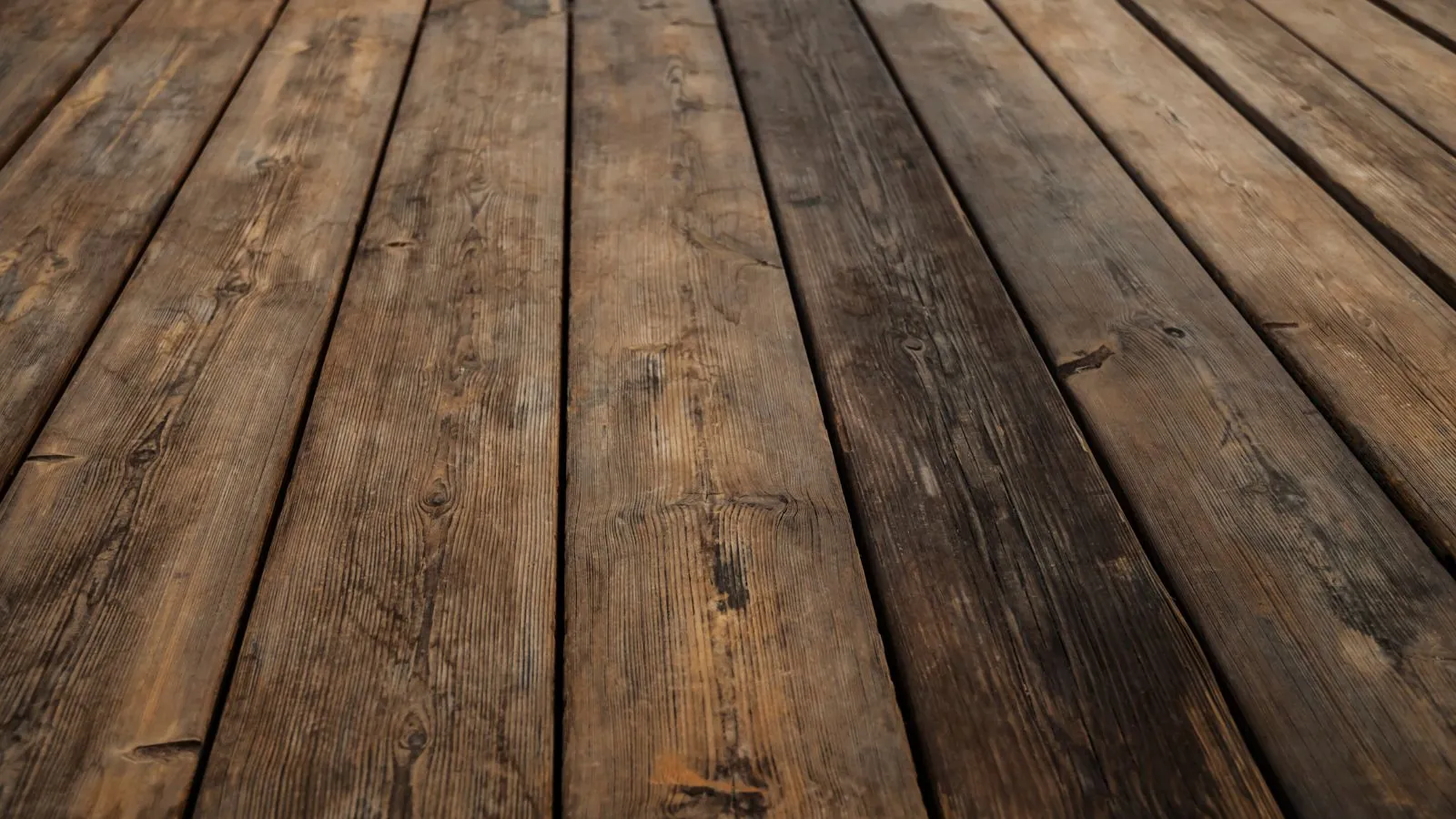
Hardwood absorbs water through its edges and underside. Boards swell first at the seams, then cup, which means the edges rise higher than the center. If the water is not removed, boards can buckle or lift from the subfloor.
Hardwood floor water damage repair in Parsippany, NJ begins with drying, not sanding. Crews check moisture in the boards and subfloor, then use drying mats, air movers and dehumidifiers. Refinishing or replacement comes after the wood returns to a normal moisture level.
How wood reacts to water
Wood is hygroscopic, so it takes on and gives off moisture with the air. When it gets wet, fibers swell. If the underside stays wetter than the top, boards cup. If the top is wetter, they crown. Both shapes change as the wood dries.
Do not sand a floor right after a leak. Sanding while the boards are still wet or cupped can remove too much wood and lock in uneven shapes. Wait until readings show the wood is dry and stable.
Solid, engineered and laminate floors
Wet hardwood? Call to book a crew
Fast drying can save boards that replacement would otherwise take.
| Floor type | Water response | Typical outcome |
|---|---|---|
| Solid hardwood. | Swells, cups, may buckle. | Often saved if dried quickly. |
| Engineered hardwood. | Layers can delaminate. | Mixed, depends on core and time. |
| Laminate. | Core swells at seams. | Often replaced. |
| Wood over slab. | Moisture trapped beneath. | Needs slab and subfloor drying. |
Drying methods for floors
Extract surface water
Remove standing water with a wet vacuum and squeegee.
Remove obstacles
Pull rugs, furniture and baseboards so air reaches the edges.
Apply drying mats
Floor drying systems pull moisture up through the boards.
Read and wait
Check moisture readings in the boards and subfloor before any repair.
When to refinish and when to replace
Once dry, minor cupping often flattens and a light sand and refinish restores the surface. Boards that stay deformed, split or stained black from mold are usually replaced. A flooring contractor can blend new boards into the old floor.
A leak on a second floor can ruin the ceiling below, so check it as well. The ceiling repair page covers that. If the leak came from a burst pipe, the plumber must finish before floor work starts.
Mistakes that make floor damage worse
- Covering a wet floor with a rug or plastic, which traps moisture.
- Turning up the heat sharply, which can split boards as they dry too fast.
- Sanding or refinishing before readings show the wood is stable.
- Using a household fan alone and calling the floor dry.
- Waiting several days before calling, while mold starts underneath.
Drying wood is a slow, controlled process. The goal is to bring moisture down gradually so boards return to shape without splitting. A crew uses mats, airflow and dehumidifiers, and it checks readings so the floor does not dry too quickly.
If boards have already cupped, give them time. Many flatten once they reach normal moisture, and judging them early can lead to replacing boards that would have recovered.
Floor drying is guided by ANSI/IICRC S500, which sets how crews measure moisture and decide that a material is dry. For wood, that means readings against a dry reference, not a feel for the surface.
What to do and what not to do on a wet floor
- Do not cover wet boards with plastic or a rug.
- Do not sand or refinish until readings are stable.
- Do wipe up standing water and open interior doors for airflow.
- Do keep the heat steady rather than turning it up sharply.
If your house is historic, as many homes in Mount Tabor are, tell the crew which original boards and trim matter most to you. Careful drying may save them, though nobody can promise that.
What hardwood floor water damage costs
Price depends on the wood, the area and the timing. Scope and price should be explained before work starts, and these factors drive it.
Area wet
A hallway and a whole level are different projects.
Time wet
Floors dried within days fare better than those left for weeks.
Subfloor
Wet subfloor adds drying or replacement.
Floor type
Solid, engineered and laminate each have different outcomes.
Finish work
Sanding, staining and sealing are separate from drying.
Insurance often covers sudden leaks but may exclude long-term seepage. Photograph the floor before work starts. The crew serves Mountain Lakes homes with older wood floors too.
Hardwood floor water damage questions in Parsippany
Often, if it is dried quickly. Boards that stay wet for weeks or turn black are usually replaced.
Wait until moisture readings are stable. That often takes a few weeks after drying.
The underside is wetter than the top. Drying the subfloor and the air usually lets them flatten.
Sometimes a few boards are removed to let air reach the subfloor. The crew decides after reading moisture.
It can be more stable than solid wood but can delaminate if left wet.
Often for sudden leaks. Check your policy and report quickly.