
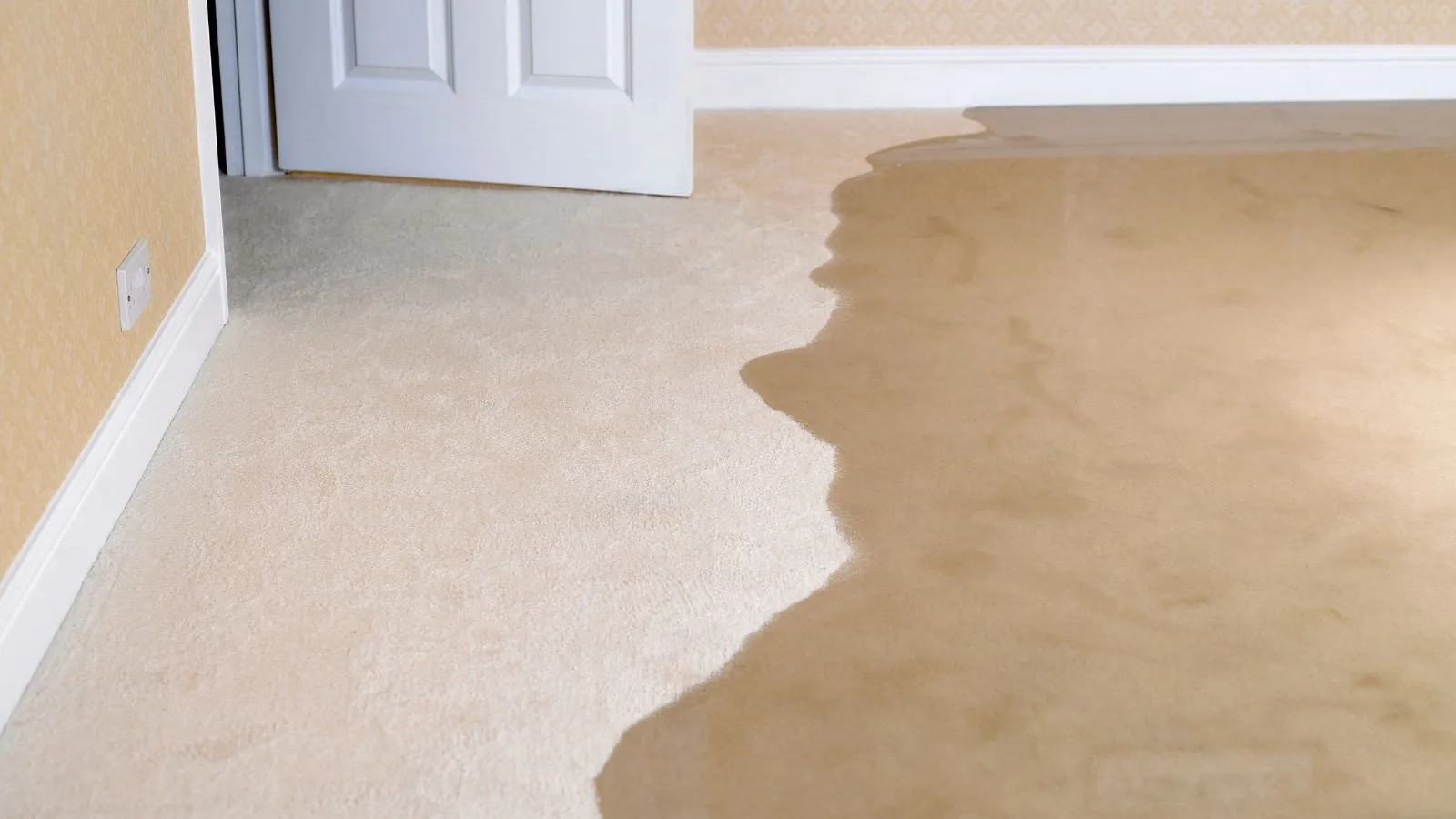
Wet carpet is heavy, and the pad beneath holds even more water. Moisture can pass through to the subfloor and the tack strip, so the real problem is often below what you see.
Carpet water damage restoration in Parsippany, NJ starts with extraction and a decision about the pad. Clean water caught in the first day or two allows many carpets to be dried in place. Contaminated water, or carpet that has been wet for several days, usually means replacement.
Dry in place or replace
| Condition | Likely decision | Reason |
|---|---|---|
| Clean water, under 48 hours. | Dry in place. | Fibers and backing can recover. |
| Clean water, several days. | Often replace. | Mold risk rises and odors set in. |
| Gray or black water. | Replace. | Contamination cannot be cleaned out of pad. |
| Wall-to-wall over slab. | Lift and dry. | Moisture stays trapped beneath. |
| Area rug. | Clean and dry off site. | Easier to treat than fitted carpet. |
What the pad tells you
Wet carpet? Call to book a crew
Fast extraction and drying give carpet its best chance.
Carpet pad acts like a sponge and takes a long time to dry. Most crews remove and replace it even when the carpet can be saved, because pad is inexpensive compared with the risk of mold underneath. The carpet is lifted, the pad is removed and the subfloor is dried.
After drying, the carpet is stretched back over new pad. A professional cleaning follows if the water was clean. If the carpet has delaminated or shrunk, replacement is usually the better choice.
Steps in carpet restoration
Extract
A weighted wand pulls water from the carpet and pad.
Lift and separate
The carpet is peeled back from the tack strip and the pad is removed.
Dry the floor
Air movers and dehumidifiers dry the subfloor and wall bases.
Reinstall or replace
Carpet is stretched back or replaced after readings are dry.
Odor, stains and mold
A musty smell appears when carpet stays damp. Mold can start within 24 to 48 hours on wet materials, according to EPA guidance. If you smell it, ask for moisture readings before you pay for deodorizing.
Stains from sewage or flood water do not clean out. For those events, see sewage backup cleanup and flood damage cleanup. Carpet near a basement wall may also need the basement approach.
How to check whether carpet is still wet
Press a dry paper towel into the carpet and hold it for ten seconds. If it comes up damp, the fibers or the pad still hold water. Lift a corner at a wall and feel the pad and the tack strip, because those stay wet longest.
A moisture meter confirms what your hand suspects. Crews take readings in a grid, since a carpet can be dry in the middle of a room and wet along the walls where water wicked up the baseboard.
Do not walk on wet carpet more than you must. Foot traffic pushes water into the pad and can spread contamination from shoes. Lift furniture legs onto foil or plastic blocks so the finish does not stain.
What carpet water damage costs
Price depends on the carpet, the pad and the water. Scope and price should be explained before work starts, and these factors drive it.
Water category
Clean water allows more drying in place.
Area
Square footage sets labor and equipment.
Pad and tack strip
Replacement adds material and labor.
Subfloor
Wet wood or concrete adds drying time.
New carpet
Replacement carpet is a separate purchase.
Insurance often covers carpet when the loss is sudden. Photograph the carpet and keep samples if replacement is likely. The crew also works in East Hanover homes.
Carpet water damage questions in Parsippany
Often, if the water was clean and dried quickly. Contaminated water or long exposure usually means replacement.
In most cases, yes. Pad holds water and is hard to dry.
Usually a few days with air movers and dehumidifiers, depending on the thickness and humidity.
The pad or subfloor is likely still damp. Drying and readings fix the cause, not air fresheners.
A rented extractor helps for small clean-water spills. Larger events need professional equipment.
Often for sudden leaks. Check your policy.