
Storm water in a house is an emergency, and this line is open 24/7 for Parsippany. Stay out of rooms with sagging ceilings, avoid standing water near outlets, move belongings away from leaks and call 911 for downed power lines or any danger.
Storm water damage cleanup in Parsippany, NJ handles water that came in with wind, rain and runoff: through a roof, around windows, under doors or up through a basement. Crews extract water, remove wet materials and dry the structure.
Storm emergency: safety after the water comes in
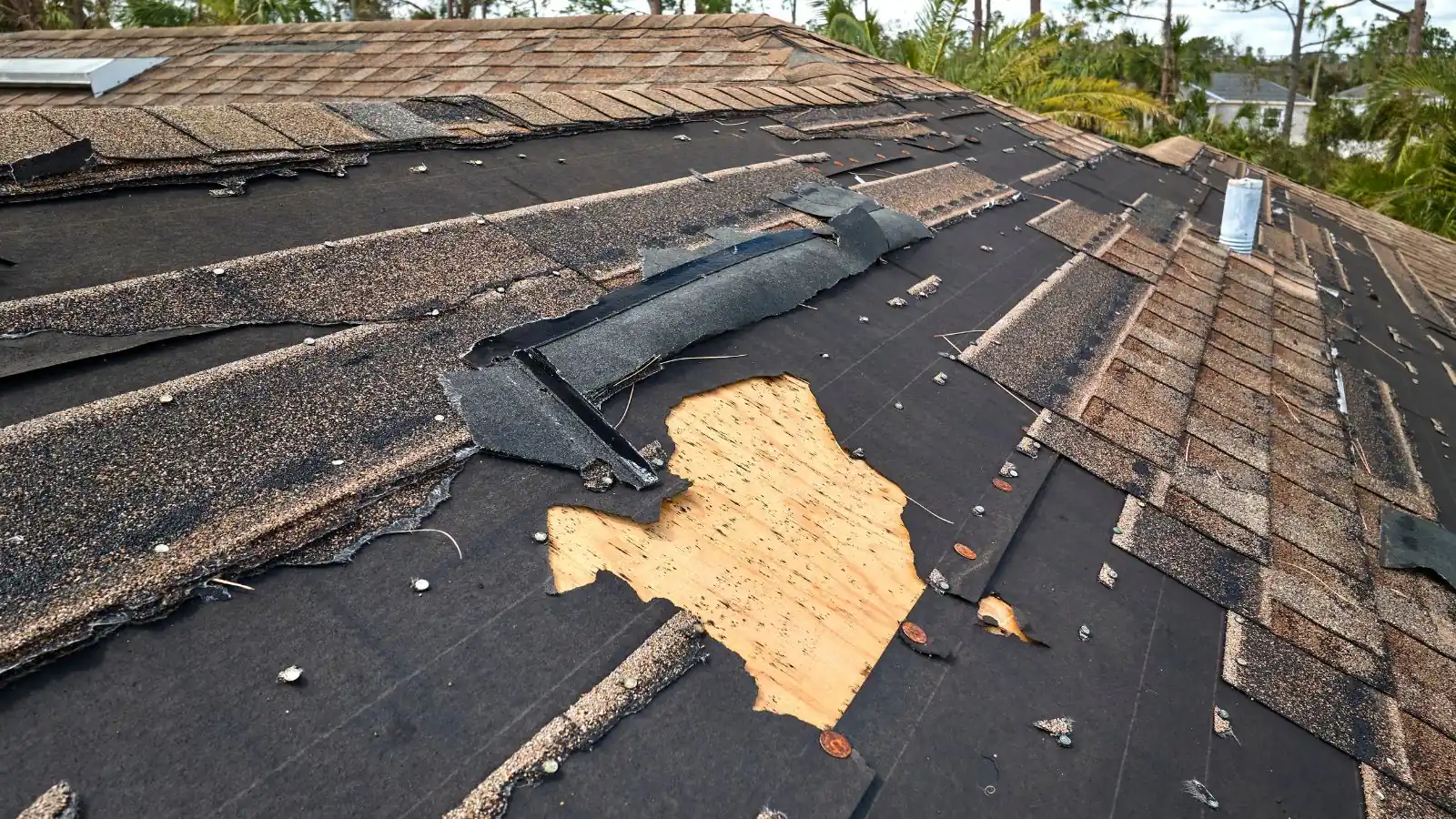
Check for downed lines, gas smells and structural damage before you go into wet areas. Treat any sagging ceiling as a fall hazard. If the roof is open, do not climb onto it, since wet shingles and wind are dangerous.
Photograph the damage before you move things. A roofer can tarp the opening, and the restoration crew handles water inside. Keep receipts for emergency repairs, since many insurers reimburse reasonable temporary measures.
How storm water gets in
Storm damage inside? Call now
Once it is safe, crews can extract, tarp interior contents and begin drying.
| Entry point | Typical sign | Next step |
|---|---|---|
| Roof or flashing. | Ceiling stain or drip. | Tarp, then see ceiling water damage repair. |
| Windows and doors. | Wet sills and floor edges. | Dry the frame and flooring. |
| Foundation cracks. | Wet basement walls. | Extract and dry, see basement cleanup. |
| Window wells and drains. | Water at basement windows. | Clear the well, pump the water. |
| Overwhelmed sewer. | Backup through floor drains. | Treat as contaminated. |
Parsippany's storm history
Hurricane Irene in August 2011 sent the Rockaway River at Boonton to 9.73 feet on August 28, and the Lake Hiawatha area flooded. The remnants of Ida in 2021 brought another round of heavy rain to northern New Jersey. Morris County's hazard mitigation plan covers floods and severe storms.
Most storm calls are smaller: a clogged gutter that overflows, wind-driven rain at a window or a sump pump that loses power. A battery backup for a sump pump and clear gutters are two practical ways to lower the risk before the next storm.
Cleanup steps
Make it safe
Confirm power, structure and the source of water.
Extract and remove
Pump standing water and remove soaked materials.
Clean
Wash surfaces if the water carried soil or sewage.
Dry and verify
Use air movers and dehumidifiers until readings are normal.
Protecting the house between the storm and the repair
If a roof or window is open, a roofer or a board-up service can tarp it so more water does not enter. Inside, move furniture away from drips and place buckets under active leaks. Cover valuables with plastic.
Keep receipts for temporary repairs. Many insurers reimburse reasonable steps taken to prevent further damage, and the receipts show what you did and when.
Storm water jobs follow ANSI/IICRC S500, which defines the water categories and the drying goals. Rain through a roof and flood water from the ground fall into different categories under the standard.
During Hurricane Irene in August 2011, Patch reported that residents of several streets in Lake Parsippany were evacuated because of flooding from Mirror Pond. Storms test every drainage path around a house, not only the roof.
What storm water cleanup costs
Costs follow the damage, and a quote before anyone sees it is a guess. Scope and price should be explained before work starts, and these factors set it.
Water source
Rain through a roof is cleaner than flood water from the ground.
Areas affected
More rooms mean more equipment and materials.
Materials
Insulation, drywall and flooring each add work.
Access
Debris and downed trees can slow the start.
Rebuild
Roof repair and finishes are separate scopes.
Insurance rules differ by source. Wind-driven rain through a storm-damaged roof is often covered, while rising flood water usually needs a flood policy. Ask your insurer before you decide. The crew also covers Boonton and the river towns.
Storm water damage questions in Parsippany
Yes. The line is open 24/7, including during storms. Dispatch depends on road safety and crew availability.
No. A roofer tarps and repairs it. The restoration crew handles the water inside.
Often when the roof was damaged by the storm. Flood from the ground usually requires separate flood coverage.
Move dry items away, photograph wet ones and let the crew advise what to dry, clean or discard.
As soon as it is safe. Mold can start in 24 to 48 hours, so quick drying matters.
Crews work when conditions are safe. In the meantime, the dispatcher can tell you how to protect the space.