
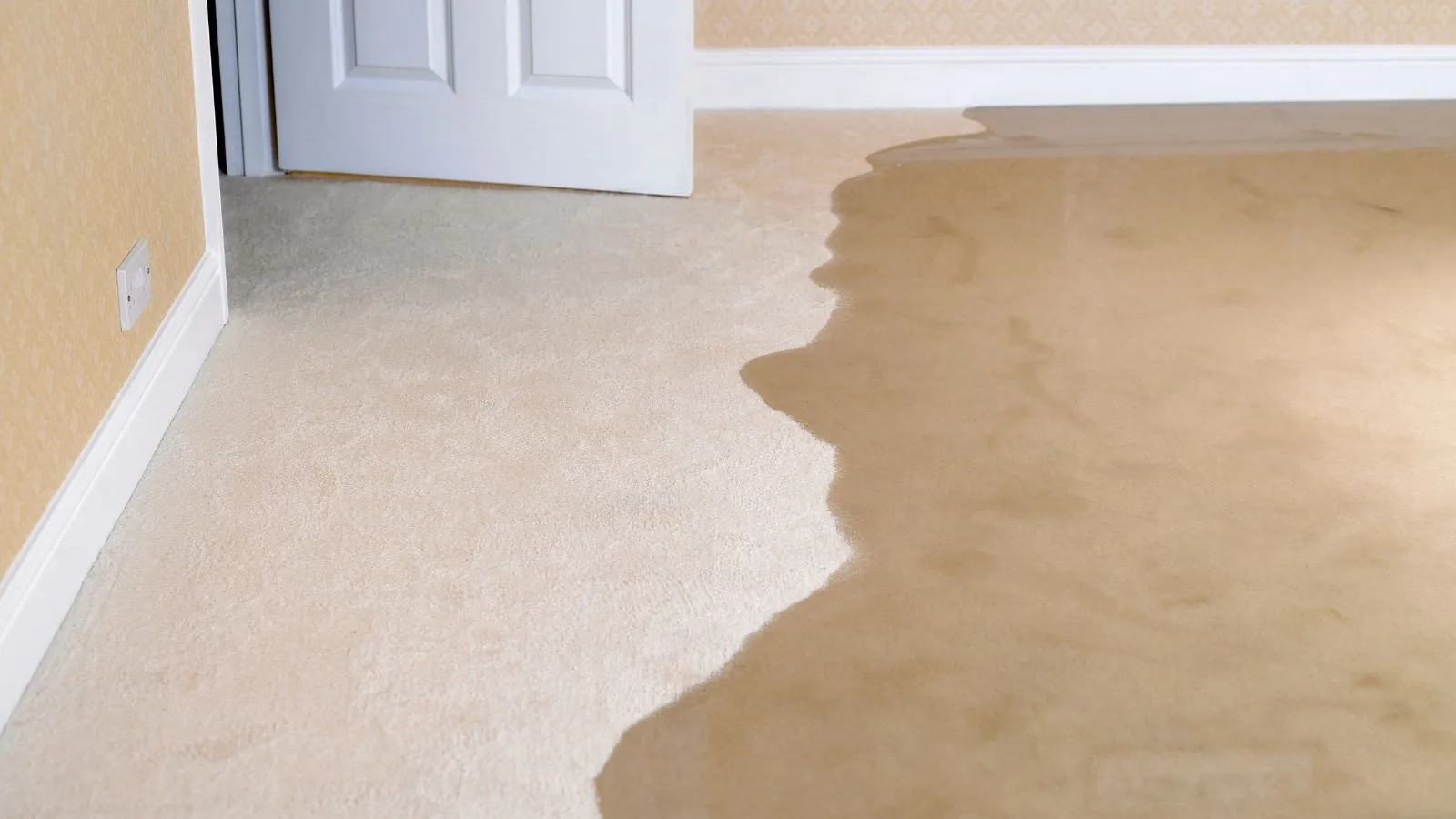
A leak that reaches a bedroom or living room often soaks the furniture before anyone notices. Mattresses, sofas and upholstered chairs are heavy sponges, and they can hold moisture for days.
The decision to save or toss comes down to three things: what kind of water it was, how long the item stayed wet and what the item is made of.
Start with the water category
Clean water from a supply line or a rain leak is the best case. Gray water from a washer or dishwasher is dirtier, and black water from sewage or flood is the worst. Soft items that touch black water are discarded.
If you are not sure of the source, treat the water as contaminated. The sewage backup page explains why porous items cannot be cleaned after sewage.
| Item | Clean water, caught early | Contaminated water or long exposure |
|---|---|---|
| Mattress. | May be dried if it did not soak through. | Discard. |
| Upholstered sofa. | Sometimes dried and cleaned by a professional. | Discard. |
| Area rug. | Clean and dry off site. | Discard if sewage. |
| Wood furniture. | Often dried and refinished. | Clean if solid, discard if swollen. |
| Pillows and cushions. | Wash if the label allows. | Discard. |
The 24 to 48 hour window
Mold can begin to grow on wet materials within 24 to 48 hours, according to EPA guidance. That window is why speed matters. A mattress that soaked in clean water and was dried quickly has a chance, while one that stayed wet for days probably does not.
Dry items with airflow and low humidity, and keep them off the floor. Direct sun can help outdoors on a dry day, but do not leave items outside in the rain.
What can be saved
Hard goods
Glass, metal, sealed plastic and finished wood can usually be cleaned and dried.
Some textiles
Washable fabrics can be laundered if the water was clean.
Solid furniture
Solid wood often survives if dried quickly, though joints and finishes may suffer.
Documents and photos
Freeze wet papers to buy time, then ask a conservator about drying.
What usually cannot be saved
Foam, batting and particleboard soak up water and rarely dry completely inside. Mattresses with thick foam layers, sofas with cushions and particleboard furniture are the usual losses.
Photograph each item before you dispose of it, and keep a list with approximate age and cost. Your insurer may ask for it, and it helps you settle on what to replace.
Drying the room matters too
Even if you save the furniture, the floor under it may be wet. Moisture can sit in the carpet pad, the subfloor and the wall base. Without drying the room, items put back in place can pick up odors.
Crews use extraction, air movers and dehumidifiers, then check readings. The water extraction page explains the first step.
A quick test for a wet mattress
Press a dry towel into the surface and see how much moisture it picks up. Lift the mattress and look at the bottom and the edges. A mattress that is wet only on the surface and was exposed to clean water may recover with airflow and time.
If the water reached the foam core, the inside may stay wet for days and grow mold. A strong odor, dark spots or a damp feel at the center mean it is better to replace the mattress.
Sofas, chairs and cushions
- Remove cushions and stand them on edge so air reaches all sides.
- Lift the sofa off the floor with blocks of plastic or foil, never wood or paper.
- Run a fan and a dehumidifier in the room until the fabric feels dry.
- Have a professional upholstery cleaner treat clean-water items.
- Discard any piece that smells musty after drying.
Fabric can dry on the surface while the frame and padding stay wet. If a piece is valuable, ask a professional before you decide. If it is a budget sofa and the water was gray or black, discard it.
Take photos of tags and labels before disposal, since they identify the brand and the materials for your insurer.
Replacing wisely
Before you buy replacements, make sure the room is dry. Putting new furniture on a damp floor invites mold. Ask the crew for readings, and wait for the okay. A crew checks the pad and the subfloor with a moisture meter before you rebuild.
Protect the people in the house
If a bed was wet, avoid sleeping on it until it is replaced or fully dry, and use a spare mattress or an air bed in a dry room. Damp bedding and foam can hold mold spores, which bother people with allergies and asthma.
Wash bedding that stayed dry on the hottest setting its label allows. Keep wet textiles separate from clean ones so spores do not spread.
When in doubt, replacing a mattress is usually safer than keeping one that might harbor mold. Sofas and chairs are a closer call, and a short conversation with a professional cleaner can save you from discarding something that is fine. Whatever you decide, record the brand, the age and the price, since your insurer may ask for all three. Keep the receipts for any replacement as well, because they support the claim.
Cleaning up near Parsippany
Local trash and bulk pickup rules vary by town, so ask the township about disposal of large items such as mattresses. Parsippany-Troy Hills and nearby municipalities publish their own rules.
Residents of Morris Plains and Boonton should check with their own boroughs or towns for large-item disposal.
Questions about this topic
Sometimes, if it was exposed to clean water and dried quickly. If it soaked through or stayed wet for days, discard it.
Not if it is still damp or smells musty. Replace it or have a professional assess it.
Sometimes, if the water was clean and the frame is intact. Contaminated water means disposal.
Often for sudden leaks. Keep photos, a list of items and the failed part.
Rules for large items differ by town. Ask the township's public works office about pickup and any fees before you put it out.