
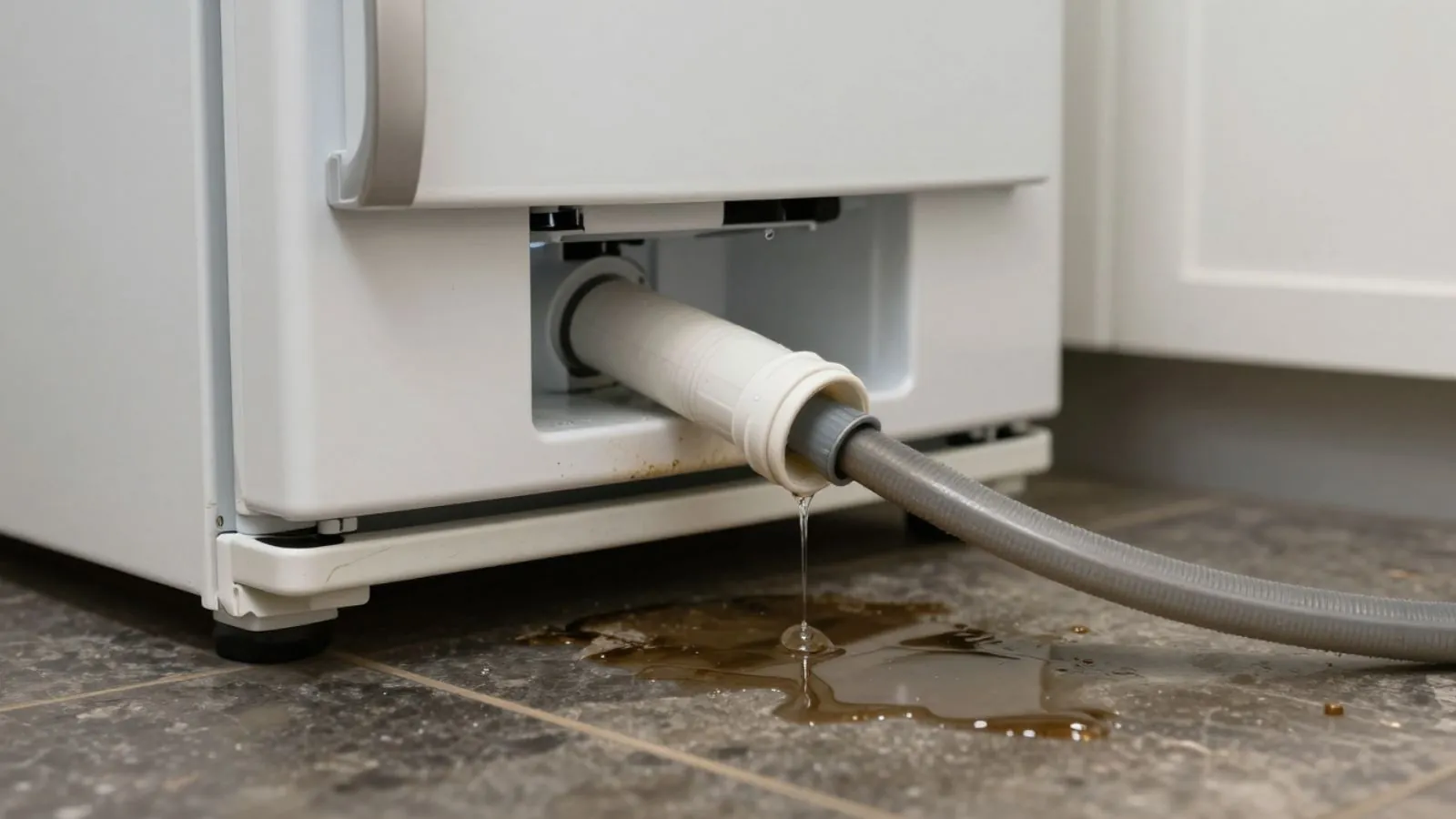
Water damage in a rental raises two questions at once: how to stop the damage and who is responsible for fixing it. The first has to be answered immediately, and the second can wait a few hours.
This guide covers the first steps for tenants. It does not replace advice from a lawyer or a tenant organization, because leases and building circumstances vary.
First minutes: stop the water and stay safe
Close the shutoff
Use the valve under the sink, behind the toilet or at the appliance. If it will not close, find the main.
Stay clear of power
Do not touch outlets or cords in wet rooms. Call 911 for any electrical or gas concern.
Call the landlord or manager
Use the emergency line in your lease if there is one.
Call for water removal
If the water is spreading, call a restoration line. Tell the landlord you did.
Tell the landlord in writing
Phone calls are quick, but a written message creates a record. Send an email or text that states the date, the location of the water, the source if known and what you did. Attach photos and ask for the landlord's plan.
Keep a copy of every message. If the landlord does not respond, send a follow-up and keep adding to the record. A dated paper trail helps if you later need a rent adjustment or repairs.
Protect your belongings
Move furniture, electronics and clothing out of the wet area when it is safe. Photograph each item before and after, and list what was damaged with a rough value. Hard items can often be dried, but soft items such as sofas and mattresses are a mold risk if they stay wet.
See the ceiling water damage page if the water came from above, and the appliance leak page if a washer or dishwasher is the source. Never stand under a bulging ceiling.
| Question | Usually the landlord | Usually the tenant |
|---|---|---|
| Building pipes and roof. | Repair and dry the structure. | Report quickly in writing. |
| Tenant appliance leak. | Check the lease. | May be responsible if negligent. |
| Your belongings. | Not covered by the landlord's policy. | Renters insurance may help. |
| Temporary housing. | Depends on the lease and the damage. | Ask in writing. |
Renters insurance: what it covers
Renters insurance protects your belongings and may help with temporary living costs if the unit is uninhabitable. The New Jersey Department of Banking and Insurance notes that standard renters policies exclude flood damage, so ask whether you have a separate flood policy.
If a neighbor's leak caused the damage, your policy may cover your items and your insurer may pursue the other party. Report the loss quickly and share your photos.
When the landlord is slow
If repairs stall, document the delay, keep sending written requests and contact a tenant resource or a local housing office. A restoration crew can provide moisture readings that show the unit is still wet. Mold can start within 24 to 48 hours on wet materials, according to the EPA, so a slow response has health consequences.
What to put in your written notice
- The date and time you noticed the water and where it was.
- The suspected source, such as a ceiling stain, a pipe or an appliance.
- What you already did, such as closing a valve or calling a restoration line.
- Photos and video attached or described.
- A request for the landlord's repair plan and timeline.
Keep the tone factual. You are creating a record, not starting an argument. If the unit becomes difficult to live in, state that plainly and ask what the landlord will do about it.
If you cannot reach the landlord, send the message to every contact in the lease, including a property manager's emergency line.
Mold, health and moving out of a wet room
Wet materials can support mold growth within 24 to 48 hours, according to the EPA. If a bedroom stays damp, move sleeping areas to a dry room until the structure is dried. People with asthma, allergies or weakened immune systems should be especially careful.
Ask your healthcare provider about symptoms that follow exposure to damp or moldy spaces. Keep notes about when symptoms start, since they can help if you later need to discuss the conditions with the landlord or a housing office.
Getting your deposit and your records straight
Water damage disputes often show up again at move-out. Save your photos, your messages and any receipts for emergency costs. If you paid for water removal to protect the unit, ask the landlord in writing to confirm the reimbursement, and keep a copy.
Talking with neighbors in a shared building
In an apartment building, a leak in one unit often comes from another. Knock on the door of the unit above, and tell them calmly what you see. They may not know about their own leak.
Share the manager's number with them, and keep the conversation factual. If nobody answers and water is coming through the ceiling, call the building's emergency line and note the time.
Keep this guide alongside your lease. The lease sets many of the rules, and a short call to a tenant organization can answer questions this page cannot.
Renting near Parsippany
Parsippany-Troy Hills has many apartment communities, and a leak in one unit often reaches the unit below. Tell your neighbor and the manager as soon as you notice a stain, since water spreads through shared walls and ceilings.
Renters in Boonton and Morris Plains face the same steps. The crew serves both towns.
Questions about this topic
It depends on the cause and the lease. Building systems are usually the landlord's responsibility, and your belongings fall to your renters insurance.
Do not withhold rent without legal advice. Contact a tenant organization or an attorney to understand your options.
Call both. If water is spreading, stop it and call for removal, then tell the landlord what you did.
It depends on the policy and the cause. Ask your insurer and review the mold language.
The township's Division of Construction Code Inspection and Enforcement at 1001 Parsippany Boulevard enforces the state construction code. Ask them what applies to your building.