
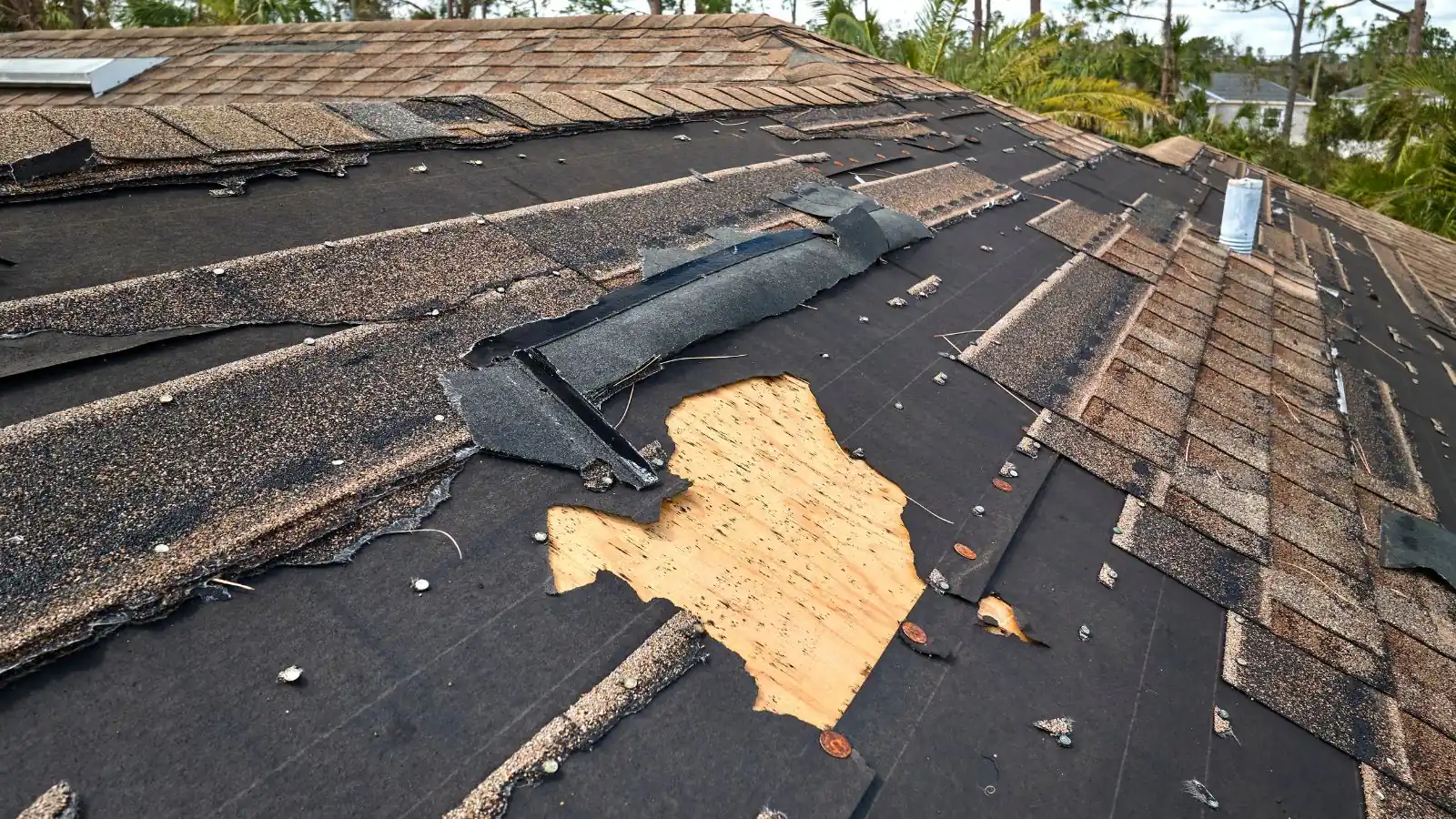
Storm season in northern New Jersey brings heavy rain, wind and the occasional remnant of a tropical system. The damage that follows is usually traced to a handful of weak points that homeowners can check ahead of time.
This guide walks through those points in the order that gives the most protection for the least effort. It ends with a plan for the moment water gets in anyway.
Start with the gutters and downspouts
Clogged gutters send water over the edge and down the foundation wall. Clear leaves and debris in late fall and again in spring, and check that downspouts empty at least several feet from the house.
Look for loose brackets, seams that leak and downspouts that dump at the foundation. Extensions and splash blocks are cheap, and they keep roof water away from basement walls.
Test the sump pump before the rain
A sump pump is the first line of defense in many basements. Lift the float or pour a bucket of water into the pit and watch the pump start and discharge. Check that the discharge line is clear and drains away from the house.
Power outages often arrive with storms, so a battery backup or a water-powered backup adds a second layer. Test the backup too, since a dead battery is no help.
Look at the roof and the openings
From the ground, scan for missing or lifted shingles, damaged flashing and gaps around chimneys and vents. Do not climb onto a roof without proper gear. A roofer can inspect and repair before the season.
Check window and door seals, caulk around penetrations and basement window wells. Wind-driven rain finds small gaps, and a wet sill is often the first sign of a failing seal.
| Weak point | What to check | Quick fix |
|---|---|---|
| Gutters. | Clogs and loose brackets. | Clean and reattach. |
| Downspouts. | Where they discharge. | Add extensions. |
| Sump pump. | Float, discharge, backup. | Test and replace as needed. |
| Window wells. | Debris and drainage. | Clear and add covers. |
| Roof flashing. | Gaps near chimneys and vents. | Have a roofer repair. |
Grade and drainage around the house
Soil should slope away from the foundation. If you see soil sloping toward the house or standing water along the wall after rain, regrade or ask a contractor about drainage.
Keep mulch and soil below the siding, and keep window wells clear. Small changes to grade can keep a basement dry in an average storm, although they will not stop a major flood.
Know your valves and your policy
Find your main water shutoff and make sure it turns. Know where the electrical panel is and how to cut power safely from a dry spot. These two actions matter in almost every water emergency.
Check your insurance too. Standard homeowners policies exclude flood, and flood insurance takes 30 days to take effect, according to the state. Ask an agent whether you have a water backup endorsement and a flood policy.
What to do when water gets in anyway
Stay safe
Keep clear of water near outlets and call 911 for any danger.
Stop the source
Close the main valve if a pipe is involved.
Photograph
Capture the damage before anything moves.
Call for extraction
Water left in place soaks into materials within hours.
The basement cleanup page explains what happens after the call, and the storm water page covers roof and window leaks.
A one-hour walk-around before the forecast turns
When a big storm is in the forecast, you have a small window to act. Use it for the checks that give the most protection in the least time. Start with the sump pump, then the downspouts, then the basement windows.
Move valuables off the basement floor and onto shelves or plastic bins. Lift boxes of papers and photographs first, since they cannot be dried easily once soaked. Unplug electronics in the lowest rooms, and keep a flashlight and a charged phone close.
What to keep in a storm kit
- A flashlight and spare batteries, since outages often come with storms.
- A wet vacuum or a few old towels for small leaks.
- Heavy plastic sheeting and tape for a window or roof leak.
- A list of your insurer's claim number and your agent's phone.
- Photos of your home and belongings stored on your phone or in the cloud.
None of this is expensive, and most of it serves other emergencies as well. The point is to avoid searching for an item when water is already on the floor.
Take a few minutes after the storm to check the attic, the ceilings and the basement walls. A stain that appears a day later is easier to dry if you catch it early.
After the storm passes
Walk the exterior and look for downed branches, damaged gutters and pooling water near the foundation. Look inside for new stains, damp carpet and musty smells. If you find water, stop the source if you can, take photos and call for extraction. Early drying keeps the damage small.
Finally, share the plan with everyone in the house. A family that knows where the main valve is, where the flashlight lives and who calls whom is calmer when a storm arrives.
Storm history around Parsippany
Hurricane Irene in August 2011 flooded the Lake Hiawatha area, and the Rockaway River at Boonton crested at 9.73 feet on August 28, according to the National Weather Service. The remnants of Ida in 2021 brought another round of heavy rain to the region.
These events are reminders to check your drainage, not predictions. Homeowners in East Hanover and Morris Plains, which are part of the Whippany-Passaic flood task force area, can use the same checklist.
Questions about this topic
Late fall after leaves drop and again in spring. Check after big wind storms too.
At least twice a year and before any forecast of heavy rain.
Power often fails during storms, so a backup is a practical safeguard. Test it, since batteries wear out.
Stay safe, stop the source if you can and call for extraction once the area is safe.
Yes. The Lake Hiawatha area flooded in August 2011, and the township later studied the causes and wrote a Lake Hiawatha flood project into its code.